As the 2024 election approaches, voters are eager to make their voices heard. Early voting offers a convenient option for those looking to avoid long lines and last-minute rushes on Election Day. Understanding the early voting times and locations can make a significant difference in ensuring participation in the democratic process.
With varying schedules and sites across different states, it’s crucial for voters to stay informed. This article will provide essential details about when and where to vote early, helping individuals plan their voting experience effectively. By taking advantage of early voting, citizens can ensure their voices are counted without the stress of last-minute decisions.
Overview of Early Voting
Early voting offers a crucial opportunity for voters to cast their ballots before Election Day. Many states implement early voting, which typically begins several weeks prior to the election. This process allows voters to choose convenient times and locations that suit their schedules, reducing the likelihood of facing long lines on Election Day.
Early voting periods and locations differ significantly across states. Each state establishes its own rules regarding the start and end dates for early voting, along with designated polling places. Voters are encouraged to visit their state election office websites for specific details about when and where early voting occurs.
Benefits of early voting include the flexibility of scheduling and the ability to vote without the pressure of last-minute decisions. Voters can confirm their registration status, check polling locations, and learn about required identification ahead of time.
To maximize participation, states often promote early voting initiatives, ensuring that citizens can engage in the electoral process efficiently. By taking advantage of early voting, individuals can contribute to a more manageable and organized Election Day.
Early Voting Times
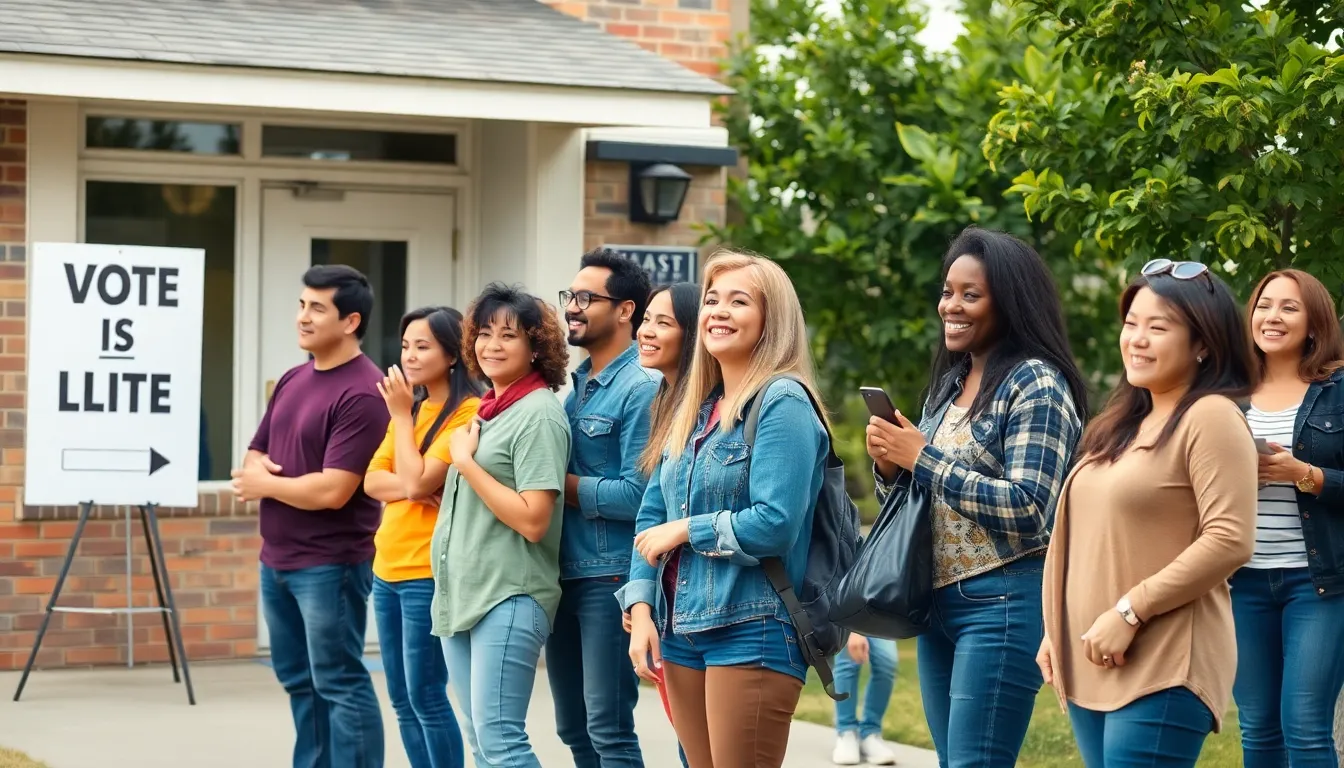
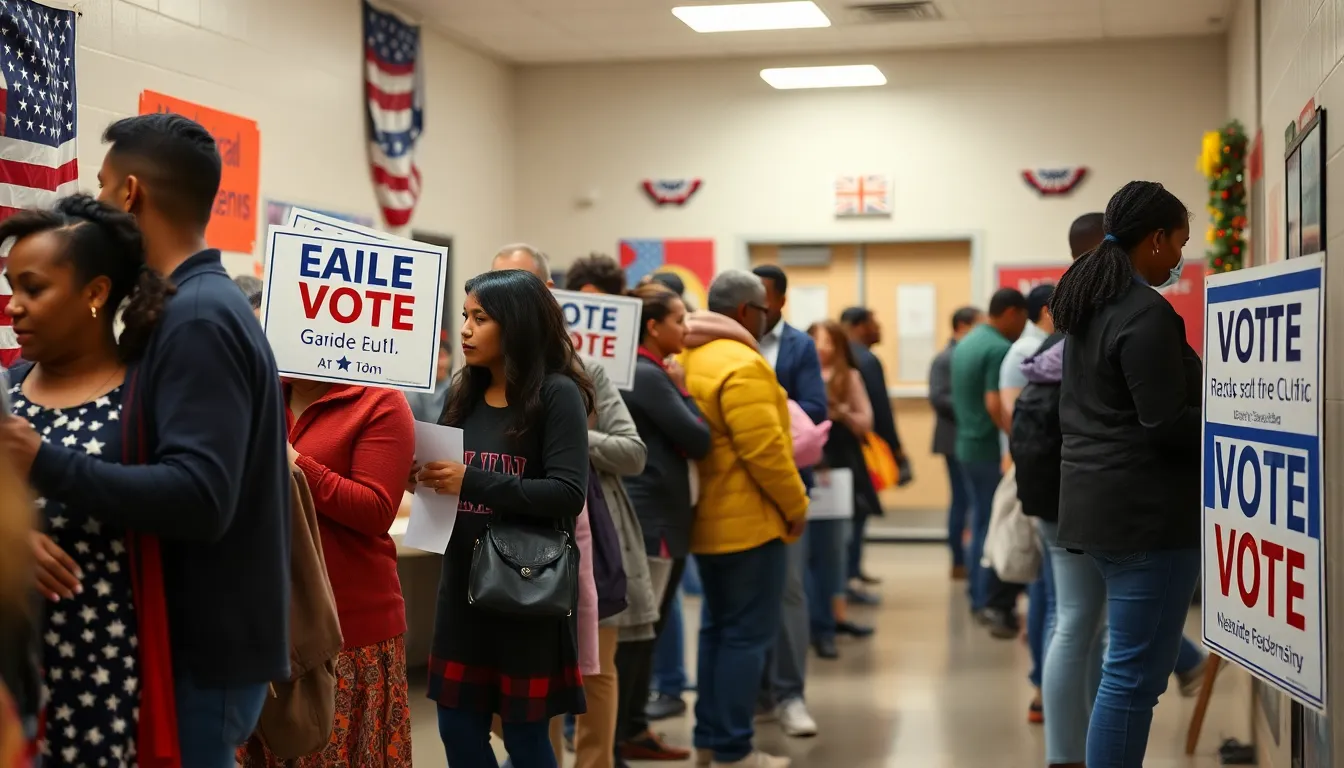
Early voting times vary by state and can influence when voters can cast their ballots. Understanding these details ensures that voters can take advantage of the convenience early voting offers.
State-Specific Variations
Each state establishes its own early voting schedule. For instance, some states may allow early voting for up to 45 days before Election Day, while others may only provide a week. Polling hours also differ; some states might open at 7 AM and close at 7 PM, while others could offer limited hours or vary by location. It’s essential for voters to verify their state’s election office resources for precise dates and hours related to early voting.
Historical Changes in Voting Times
Historically, states have adjusted early voting times to improve accessibility and voter turnout. For example, many states expanded early voting in response to increased demand and long lines experienced in past elections. States like Florida and North Carolina have made significant changes to enhance early voting periods over recent years. Tracking these historical trends helps voters anticipate possible adjustments before the 2024 elections, aiding them in planning their voting activities effectively.
Early Voting Locations
Voters can access early voting at designated locations established by their state’s election offices. These locations typically provide a more convenient option, allowing individuals to cast their ballots before Election Day.
Accessibility Considerations
Accessibility remains a critical factor in early voting locations. Many states are required to provide accessible polling places for individuals with disabilities. States often include features like wheelchair ramps, designated parking, and assistive voting technology. Voters are encouraged to check local regulations to ensure their chosen polling place meets accessibility standards.
Local vs. Statewide Polling Places
Local polling places usually differ from statewide locations. Local sites often serve specific neighborhoods or communities, offering voters familiarity and convenience. Statewide polling places, in contrast, can serve larger populations within the state and may vary significantly in terms of traffic and wait times. Voters should verify their assigned polling location through their state election office’s website to confirm the exact address and any changes leading up to the election.
Importance of Early Voting
Early voting plays a vital role in the electoral process, offering voters flexibility and accessibility while significantly enhancing participation in elections.
Benefits for Voters
Early voting provides several benefits for voters.
- Convenience: Voters can select times that fit their schedules, avoiding the rush of Election Day.
- Reduced Wait Times: By voting early, individuals often encounter shorter lines, allowing for quicker access to polling places.
- Accessible Locations: Many states offer various polling locations, making it easier for individuals to reach a site near them.
- Informed Decision-Making: Casting their ballots early enables voters to research candidates and issues without the pressure of imminent deadlines.
- Flexible Voting Options: Some jurisdictions also allow voters to change their votes if their preferences shift before Election Day.
Impact on Election Outcomes
Early voting influences election outcomes in several key ways.
- Increased Turnout: Studies show that early voting can boost overall voter turnout by making it easier for individuals to participate.
- Wider Demographic Engagement: Early voting caters to various demographics, including working professionals and individuals with disabilities, thus fostering inclusiveness.
- Mitigated Pressure on Election Day: By alleviating crowds and long waits on Election Day, early voting helps maintain an efficient electoral process.
- Influence on Campaign Strategies: Candidates adjust their strategies based on early voting trends, targeting early voters effectively.
- Stability in Results: Early voting may lead to more consistent voting patterns, allowing for a clearer prediction of election outcomes.