A well-designed bathroom can transform a mundane space into a personal sanctuary. It’s not just about functionality; it’s about creating an atmosphere that promotes relaxation and rejuvenation. With the right elements, anyone can elevate their bathroom from basic to breathtaking.
From choosing the perfect tiles to selecting fixtures that reflect personal style, every detail matters. Trends in bathroom design evolve rapidly, offering countless options that cater to diverse tastes and needs. Whether it’s a sleek modern look or a cozy vintage vibe, understanding the latest innovations can help homeowners make informed decisions that enhance both aesthetics and comfort.
Overview of Bathroom Design Trends
Current bathroom design trends prioritize functionality and aesthetics, offering innovative solutions for every preference. Emphasis on sustainability highlights eco-friendly materials, such as recycled glass or bamboo, which reduce environmental impact.
Minimalism dominates modern designs, featuring sleek fixtures and uncluttered spaces that create a serene environment. Neutral color palettes, including whites, grays, and beiges, provide a timeless backdrop, while occasional bold accents add personality.
Technology integration enhances convenience, with smart mirrors, automated lighting, and heated floors that improve everyday experiences in the bathroom. Water-saving fixtures, such as low-flow toilets and faucets, promote efficiency and sustainability.
Vintage styles also experience resurgence, showcasing classic elements like clawfoot tubs and antique vanities. These features bring charm and nostalgia, appealing to homeowners seeking a unique, personalized touch.
Mixing materials, like wood and stone, introduces texture and depth, creating visually captivating spaces. Large-format tiles, in various designs and colors, streamline maintenance while adding a modern flair.
Overall, staying updated on bathroom design trends enables homeowners to create stylish, functional environments tailored to their needs and preferences.
Key Elements of Bathroom Design
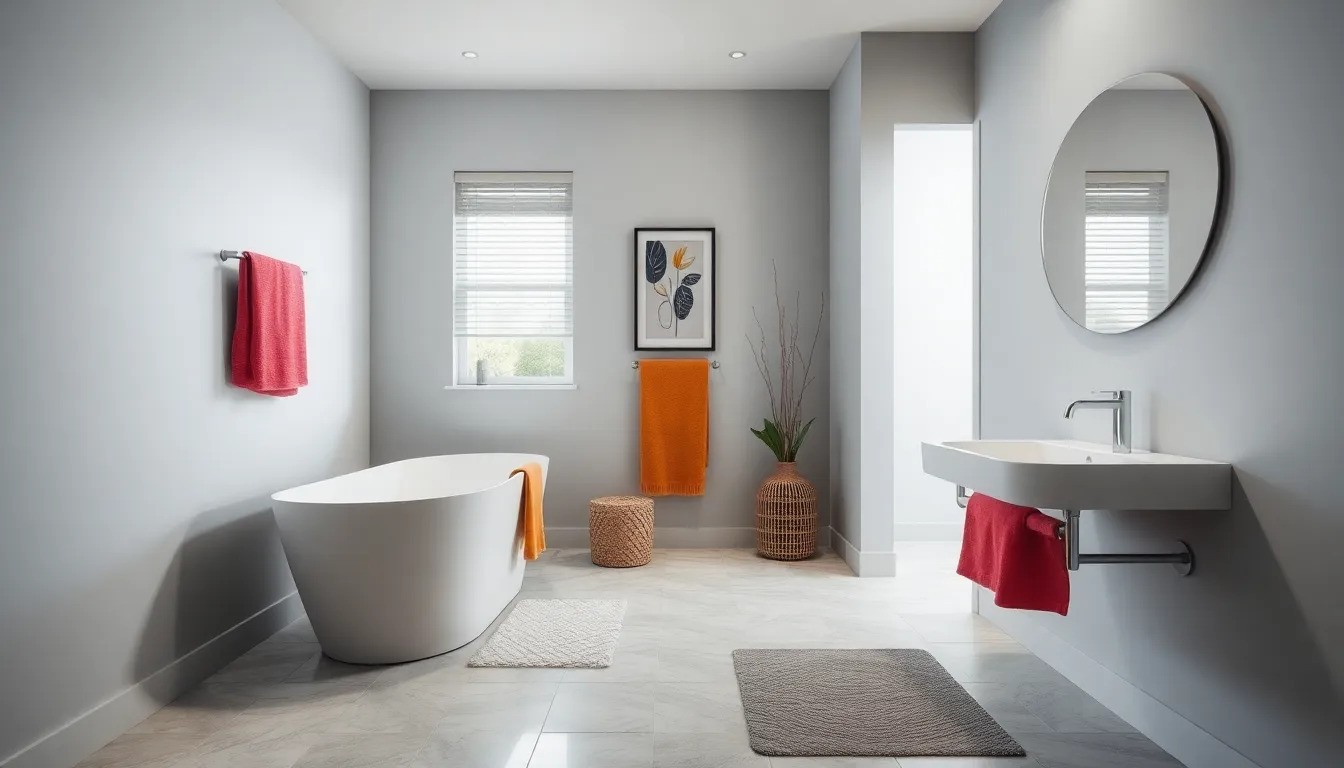
In bathroom design, several key elements contribute to a cohesive and stylish space. Focusing on color schemes, fixtures, and fittings enhances both aesthetics and functionality.
Color Schemes
Color schemes significantly impact the mood and perception of space. Neutral tones like whites, grays, and beiges create a calming atmosphere, while bolder colors like navy blue or emerald green add personality. Consider accent colors through accessories, such as towels or artwork, to introduce subtle vibrancy. A consistent palette ties elements together and contributes to an inviting environment.
Fixtures and Fittings
Fixtures and fittings play a crucial role in bathroom design, offering both functionality and aesthetic appeal. Quality faucets, sinks, and toilets enhance usability while reflecting the overall design theme. Popular choices include wall-mounted faucets, freestanding bathtubs, and sleek showerheads. Incorporating high-efficiency models not only conserves water but also aligns with current sustainability trends. Additionally, selecting materials like brushed nickel or matte black adds a modern touch and enhances durability.
Functional Layouts
Functional layouts play a crucial role in bathroom design, emphasizing efficient use of space while ensuring comfort and accessibility.
Space Optimization
Space optimization remains essential in bathroom design. Strategic arrangements promote ease of movement and maximize functionality. For instance, placing essential fixtures like sinks, toilets, and showers in a working triangle enhances workflow. Utilizing wall-mounted cabinets and shelves frees up floor space, creating a more open feel. Choosing compact fixtures, such as vanities with built-in storage, allows for the incorporation of necessary items without overcrowding. Implementing sliding doors instead of traditional swinging doors can further save space while enhancing accessibility.
Accessibility Considerations
Accessibility considerations ensure that bathrooms accommodate diverse needs. Design elements like wider doorways and hallways improve maneuverability for individuals with mobility challenges. Installing grab bars near toilets and in shower areas enhances safety and independence. Opting for a curb-less shower design allows easy access for individuals using wheelchairs or walkers. Ensuring that fixtures are at appropriate heights, such as vanities and toilets, increases comfort for everyone. Using contrasting colors on fixtures and walls also aids visually impaired users in navigating the space more easily.
Aesthetic Styles in Bathroom Design
Bathroom design offers diverse aesthetic styles that enhance both functionality and visual appeal. Popular styles cater to various preferences and can transform the atmosphere of a space.
Modern Minimalism
Modern minimalism emphasizes simplicity and clean lines. This style features a neutral color palette, often using shades of white, gray, or beige to create a serene environment. Fixtures in modern minimalist bathrooms typically include wall-mounted faucets, streamlined vanities, and frameless glass shower enclosures. Utilizing natural light and maximizing open space is crucial, with the incorporation of large mirrors enhancing the sense of spaciousness. Minimal decor, such as a single plant or a minimalist art piece, complements the uncluttered look and promotes relaxation.
Rustic Charm
Rustic charm brings warmth and coziness to bathroom design. This style often features natural materials like reclaimed wood, stone, and brick to create a welcoming atmosphere. Color schemes usually include earthy tones, whites, or soft pastels. Key elements of rustic charm include vintage-style fixtures, such as oil-rubbed bronze faucets and farmhouse sinks, that evoke a sense of nostalgia. Decorative touches like woven baskets, ceramic tiles with intricate patterns, and exposed beams enhance the rustic look while providing practical storage solutions. Incorporating large windows or skylights invites natural light, further enhancing the room’s inviting ambiance.
Transforming a bathroom into a personal sanctuary requires thoughtful design choices that reflect individual style and preferences. By embracing current trends in functionality and aesthetics, homeowners can create spaces that are not only beautiful but also practical.
Incorporating eco-friendly materials and innovative technology enhances both comfort and sustainability. Whether opting for modern minimalism or rustic charm, the right elements can elevate a bathroom into a serene retreat.
Staying informed about design trends and practical layouts allows for a cohesive and inviting atmosphere. Ultimately, a well-designed bathroom can significantly enhance daily routines and provide a much-needed escape.