Choosing the right color for a bedroom can feel like a high-stakes game of roulette. After all, it’s the sanctuary where dreams take flight and mornings are reluctantly greeted. The right hue can transform a dull space into a cozy retreat or a vibrant oasis. But how do you decide between “serene blue” and “sassy coral”?
Understanding Color Psychology
Color plays a crucial role in creating the perfect bedroom environment. It influences moods, emotions, and overall wellbeing.
The Impact of Color on Mood
Color affects emotions significantly. Serene blue promotes calmness, providing a tranquil atmosphere conducive to relaxation. Soft green creates a refreshing feel, inviting nature’s essence indoors. On the other hand, vibrant colors like bright yellow can uplift energy levels. Opting for earthy tones fosters grounding, ensuring a sense of security. Warm shades, such as gentle peach, can add coziness without overwhelming the senses. Each color choice communicates a different emotion, shaping the bedroom’s ambiance.
How Color Influences Sleep Quality
Color significantly impacts sleep quality. Soft hues like lavender or light gray can promote restful sleep, creating a serene environment. Darker colors may seem cozy, yet they can absorb light and suppress mood. Choosing cooler shades lowers alertness, fostering relaxation as daylight fades. The bedroom’s color palette should reflect personal preference while considering these effects. A balanced atmosphere enhances comfort, directly influencing nightly rest. Prioritizing the right color can transform sleep experiences, leading to rejuvenation and improved overall health.
Popular Colors for Bedrooms
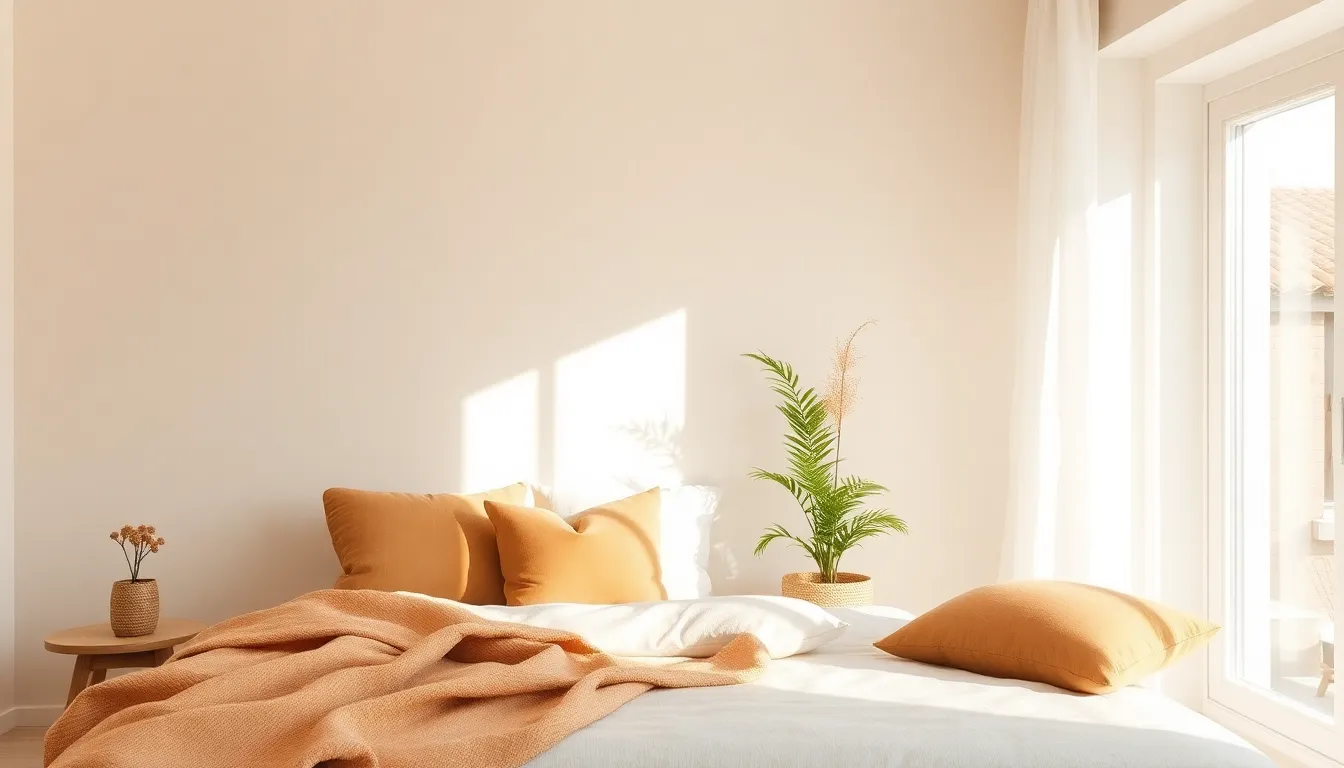
Choosing the right color for a bedroom can enhance the overall ambiance significantly. Below are some popular color options that influence mood and comfort.
Calming Neutrals
Calming neutrals provide a versatile backdrop for any bedroom. Soft shades like beige, taupe, and gray promote tranquility and allow for easy coordination with various decor styles. These colors create a serene environment that fosters relaxation. Neutral palettes can also help smaller rooms appear larger and more open. Accessories and furniture in vibrant hues contrast well against neutral walls, adding personality without overwhelming the senses.
Soothing Blues
Soothing blues stand out as a favorite for bedroom spaces. Shades like powder blue or deep navy evoke feelings of calm and serenity. This color encourages restful sleep and reduces stress, making it ideal for personal retreats. Gentle blue tones amplify natural light, providing an airy feel throughout the day. For a striking effect, combining blue with white or soft grays enhances the tranquil atmosphere significantly.
Inviting Greens
Inviting greens bring a touch of nature indoors. Soft greens, such as sage and mint, create a refreshing and restorative environment. Plant life complements these shades, enhancing the calming effect and promoting a sense of well-being. This color choice not only soothes the mind but also fosters creativity, making it suitable for those needing inspiration. Pairing green with earthy tones like brown can further enrich the design.
Cozy Warm Tones
Cozy warm tones create an intimate atmosphere in bedrooms. Colors like soft amber, light terracotta, and warm honey can make a space feel inviting and comfortable. These shades enhance feelings of warmth and connection, ideal for those seeking a comforting retreat. Warm tones combined with darker accents add depth and sophistication. Striking a balance between cozy colors and adequate lighting can elevate the overall design.
Choosing the Right Color for Your Bedroom
Choosing the right color for a bedroom involves considering several key elements. Personal preferences significantly influence color selection. Additionally, the room’s natural light affects how colors appear. Many experts recommend testing paint samples in different lighting conditions before making a decision. Understanding personal emotional responses to colors enhances the selection process as well.
Factors to Consider
When selecting colors, consider the room size and layout. Light colors tend to open up small spaces, creating an airy feel. Conversely, darker shades can add depth and warmth. Evaluate existing furnishings and decor for seamless integration. Personal style expresses itself through chosen colors, so it’s essential to align with preferences. Lastly, consider the room’s function, as colors may influence mood and energy levels.
Matching with Decor and Furniture
Harmonizing wall colors with furnishings creates a cohesive look. Neutral tones often serve as a versatile backdrop for diverse decor styles. Bold colors can make a statement but require careful consideration of furniture colors. Complementary hues enhance the overall aesthetic. For example, pairing a soft blue with light wood furniture promotes serenity. Using accent colors in pillows or artwork adds visual interest without overwhelming the space. Thoughtful combinations lead to a harmonious and inviting bedroom environment.
Tips for Painting Your Bedroom
Transforming a bedroom begins with thoughtful preparation and the right paint finish. A well-executed project enhances the room’s atmosphere.
Preparing Your Space
Start by moving furniture away from walls. This creates room to work and protects items from splatters. Cover the floor with a drop cloth to catch paint drips. Make sure to clean walls thoroughly, removing dust and grime for optimal adhesion. Tape off trim and outlets to ensure clean lines. Adequate ventilation helps paint dry evenly, making the workspace more comfortable. Reserve time for these steps; they ensure a smooth painting process.
Selecting the Right Paint Finish
Choosing the correct finish affects the overall look and durability of the paint. Satin offers a soft sheen ideal for bedrooms, reflecting light without being too glossy. Matte finishes hide imperfections and create a cozy feel but require careful cleaning. Semi-gloss lends durability to areas needing frequent cleaning, such as around windows and doors. Consider how each option interacts with light to achieve the desired ambiance. Prioritize personal preference while balancing practicality when selecting the finish.
Choosing the right color for a bedroom is essential for creating a personal haven. The impact of color on mood and sleep quality cannot be overstated. By understanding how different shades influence emotions and the overall atmosphere, individuals can make informed decisions that enhance their space.
Whether opting for calming neutrals or vibrant hues, it’s important to consider personal preferences and the unique characteristics of the room. Testing colors in various lighting conditions can provide valuable insights. Ultimately, a thoughtfully chosen color palette can transform a bedroom into a sanctuary of comfort and rejuvenation, fostering a sense of well-being and tranquility.