The question of Russia’s participation in the Olympics has stirred significant debate in recent years. Amidst controversies surrounding doping scandals and geopolitical tensions, the nation’s athletes face unique challenges when it comes to competing on the world stage. As the Olympics draw near, many are left wondering whether Russian athletes will be allowed to compete under their flag or if they’ll have to represent themselves as neutral competitors.
This ongoing situation not only impacts the athletes but also resonates with fans and sports organizations globally. Understanding the nuances of Russia’s involvement in the Olympics provides insight into broader issues of sportsmanship, fairness, and international relations. As the games approach, the spotlight remains firmly on Russia, making this a crucial topic for anyone interested in the intersection of sports and politics.
Overview of Russia’s Olympic Participation
Russia’s participation in the Olympics remains complex, influenced by past doping violations and ongoing geopolitical issues. The International Olympic Committee (IOC) imposed penalties on Russia following a state-sponsored doping scandal that surfaced in 2015. As a result, Russian athletes often compete under a neutral flag, specifically recognized as the Russian Olympic Committee (ROC) for events like the Tokyo 2020 and Beijing 2022 Games.
The IOC’s decision to sanction Russia led to a mixed response from the international sports community. Some support the measures as necessary for maintaining integrity, while others argue these actions unfairly penalize individual athletes. The question of representation persists, influencing both the athletes’ identities and their fans’ experiences.
Upcoming international competitions continue to navigate the fallout from these policies. Athletes who meet strict criteria and demonstrate compliance with anti-doping regulations may qualify to participate individually. However, participation remains contingent upon external factors, including assessments of the political climate and ongoing discussions among governing bodies.
Russia’s Olympic involvement exemplifies the intersection of sport, ethics, and international relations, highlighting the persistent challenges faced by athletes and organizations in striving for fairness amid complex circumstances.
Historical Context of Russia in the Olympics
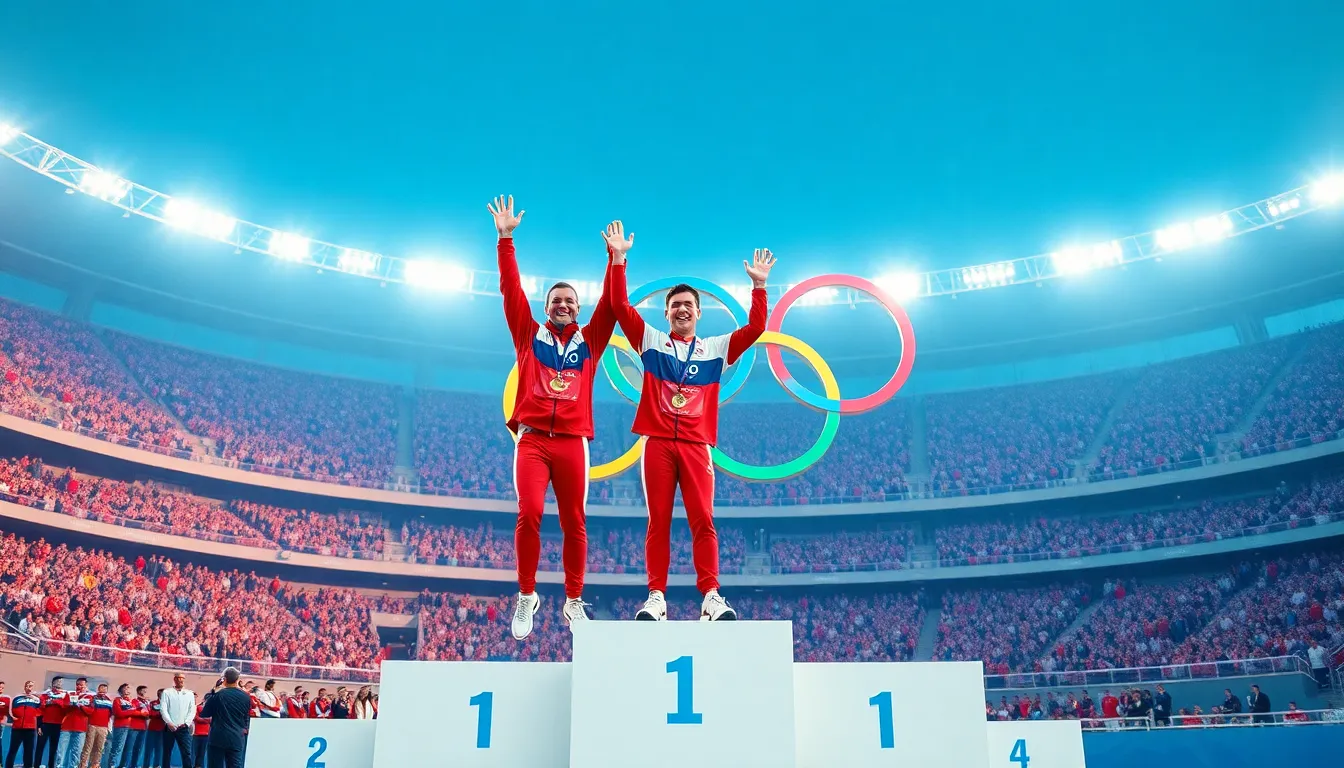
Russia’s involvement in the Olympics has evolved significantly, marked by key achievements and notable controversies. These aspects illustrate the intricate relationship between sports and national identity, reflecting broader geopolitical dynamics.
Key Milestones
- First Appearance: Russia debuted in the Olympics during the 1900 Games in Paris, competing under the banner of the Russian Empire.
- Soviet Union Success: The Soviet Union emerged as a dominant force in the Olympics from 1952 to 1988, ranking first in total medals during multiple Games.
- Post-Soviet Era: Following the dissolution of the Soviet Union in 1991, Russian athletes competed as a unified team in 1992 and then under Russia’s flag from 1994 onwards.
- ROC Formation: In December 2014, the Russian Olympic Committee (ROC) was established, following widespread doping allegations, enabling athletes to compete under this new entity amid ongoing sanctions.
- Olympic Participation: Russian athletes participated in the 2016 Summer Olympics in Rio de Janeiro primarily as individual competitors under a neutral flag, and similar arrangements were made for the Tokyo 2020 and Beijing 2022 Games.
Controversial Moments
- Doping Scandals: The 2015 WADA report unveiled systemic doping practices in many sports, leading to significant disqualifications and sanctions against athletes and the ROC.
- Sochi 2014 Olympics: The Winter Olympics in Sochi experienced scrutiny over alleged state-sponsored doping programs that raised questions about the integrity of competition.
- Exclusion from Competitions: Following penalties imposed by the IOC, Russian athletes faced restrictions, often resulting in competing as neutrals, influencing national representation in global tournaments.
- Political Tensions: Geopolitical conflicts, such as the annexation of Crimea, impacted Russia’s Olympic standing and led to heightened scrutiny from international sports authorities.
- Response from Athletes: Many athletes voiced their frustrations regarding collective punishment, emphasizing their dedication to competition and the desire to represent their country despite the controversies.
The history of Russia’s participation in the Olympics reflects the intersection of athletic achievement and complex geopolitical factors, shaping ongoing discussions about fairness and representation in sport.
Current Status of Russia’s Participation
Russia’s participation in the Olympics remains a topic of ongoing debate, affected by past controversies and current geopolitical dynamics. These issues shape the athletes’ experiences and the competition’s integrity.
Banned Events and Restrictions
Russian athletes face specific bans and restrictions due to historical doping violations. The IOC has disallowed the national team’s participation in certain events, often requiring athletes to compete as neutrals under the banner of the ROC. For instance, this policy was evident during the Tokyo 2020 and Beijing 2022 Games, where athletes competed without official national representation. These limitations create hurdles, with many athletes expressing frustration over collective punishment for actions unrelated to their personal conduct. Current restrictions persist across various sports, severely impacting Russia’s overall Olympic presence.
Recent Developments
Recent developments indicate some shifts regarding Russia’s Olympic activities. In September 2023, the IOC announced revised criteria for Russian athletes, aiming to allow more individuals to compete provided they meet specified anti-doping standards. Discussions within the IOC and global sports federations reflect ongoing negotiations that could influence athlete eligibility. Amidst these changes, the geopolitical climate continues to play a crucial role, influencing decisions on Russia’s participation as tensions rise in international relations. As the next Olympic Games approach, the situation remains fluid, with potential outcomes closely tied to evolving policies from the IOC and global governance of sports.
Reactions and Opinions
The debate surrounding Russia’s participation in the Olympics prompts varied reactions from athletes and international bodies. These responses reflect concerns about fairness, representation, and the integrity of the sporting community.
Athlete Perspectives
Athletes express mixed feelings regarding Russia’s Olympic participation. Many feel frustrated by collective punishments that affect the entire team for actions taken by a few. Some athletes argue for the right to compete under their national flag, emphasizing their dedication and commitment to their sport. Others accept the neutral banner, focusing on personal achievement rather than national representation. The emotional toll on athletes is significant, as they navigate identity issues amid geopolitical tensions and penalties imposed by governing bodies.
International Reactions
International reactions to Russia’s Olympic participation vary widely. Some nations support the IOC’s efforts to uphold integrity through sanctions, arguing they maintain a level playing field. These countries contend that allowing athletes with past doping violations to compete undermines fair competition. Conversely, other nations criticize the sanctions as overly punitive, asserting that they hinder individual athletes from fulfilling their dreams. Sports organizations and governing bodies worldwide continue to engage in discussions about the implications of Russia’s involvement, reflecting the complex interplay of sport and international relations.
Implications for Future Olympics
Russia’s participation in the Olympics has far-reaching implications for future games. Increased scrutiny on anti-doping practices will likely persist, prompting the International Olympic Committee (IOC) and World Anti-Doping Agency (WADA) to enforce stricter regulations. Historical context emphasizes the need for transparency, as past doping scandals tarnish the reputation of elite athletes and the integrity of competitions.
Individual Russian athletes may gain opportunities to compete if they meet newly established anti-doping criteria. Current criteria, outlined by the IOC in September 2023, allow for participation under strict conditions, signaling a potential shift in policy. The success of this initiative hinges on consistent compliance and independent monitoring, which could set a precedent for handling similar future cases involving other nations.
Geopolitical dynamics remain a critical factor influencing Russia’s Olympic status. Ongoing tensions, particularly related to international relations and national policies, affect athlete representation. As nations navigate complex diplomatic landscapes, their responses to Russia’s participation may determine the structure of future Olympic events, impacting not only athletes but also fans and sports organizations globally.
Public and governmental reactions play an essential role in shaping the regulatory framework for Olympic participation. Mixed sentiments surrounding fairness and representation will persist, complicating decisions regarding eligibility. The future Olympics may witness evolving strategies to balance competitive integrity with inclusivity. A comprehensive dialogue among international sports organizations will be necessary to address these challenges.
Overall, Russia’s situation in the Olympics reflects a broader trend of sports intersecting with ethical considerations and global politics. Athletes’ experiences and aspirations illustrate the ongoing need for fairness, challenging stakeholders to create an environment conducive to sportsmanship while navigating complex geopolitical currents.
Russia’s participation in the Olympics remains a contentious issue shaped by historical and current challenges. The ongoing debate reflects not only on the athletes’ aspirations but also on the integrity of the Olympic movement itself. As the landscape evolves with revised IOC criteria and geopolitical factors, the path forward for Russian athletes is uncertain.
While some may find hope in the possibility of competing under a neutral banner, the broader implications for sportsmanship and fairness persist. The international sports community continues to grapple with the balance between accountability and individual opportunity. As the next Olympic Games approach, the outcome of this complex situation will undoubtedly resonate far beyond the competition itself, impacting athletes and fans alike.