In the competitive world of real estate, rental property renovation has become a vital strategy for maximizing returns. Investors and landlords alike are discovering that a well-executed renovation can significantly boost property value and attract high-quality tenants. With the right upgrades, even the most dated spaces can transform into desirable living environments.
Understanding the nuances of rental property renovation is key to success. From choosing the right materials to planning a budget, every decision impacts the overall outcome. Whether it’s a simple cosmetic update or a complete overhaul, knowing how to navigate the renovation process can lead to impressive results. As the rental market continues to evolve, staying ahead with smart renovations can make all the difference.
Understanding Rental Property Renovation
Rental property renovation involves upgrading or improving a property’s condition to boost its market value and appeal to potential tenants. Recognizing the key components of this process aids landlords in making informed decisions.
What Is Rental Property Renovation?
Rental property renovation refers to the systematic enhancement of a residential or commercial property aimed at increasing its functionality, aesthetics, and overall worth. Renovations can include cosmetic updates like painting, flooring, and fixtures, as well as structural improvements such as roof repairs, plumbing upgrades, and electrical rewiring. Effective renovations improve livability for tenants and significantly raise property appeal.
Importance of Renovation for Rental Properties
Renovation plays a critical role in maintaining competitiveness in the rental market.
- Maximizing Returns: Renovations often lead to higher rental rates, directly increasing profitability for landlords.
- Attracting Quality Tenants: Fresh, modern properties are more likely to attract reliable tenants who prefer updated features.
- Reducing Vacancy Rates: Well-maintained properties experience shorter vacancy periods, ensuring consistent income.
- Enhancing Property Value: Upgrades contribute to long-term appreciation, benefiting landlords during sale or refinancing.
- Meeting Safety Standards: Renovations ensure compliance with safety and building codes, promoting tenant safety.
- Improving Energy Efficiency: Sustainable renovations reduce utility costs for tenants, making properties more enticing.
These factors underscore the necessity of strategic renovations in fostering a successful rental property investment.
Planning Your Renovation
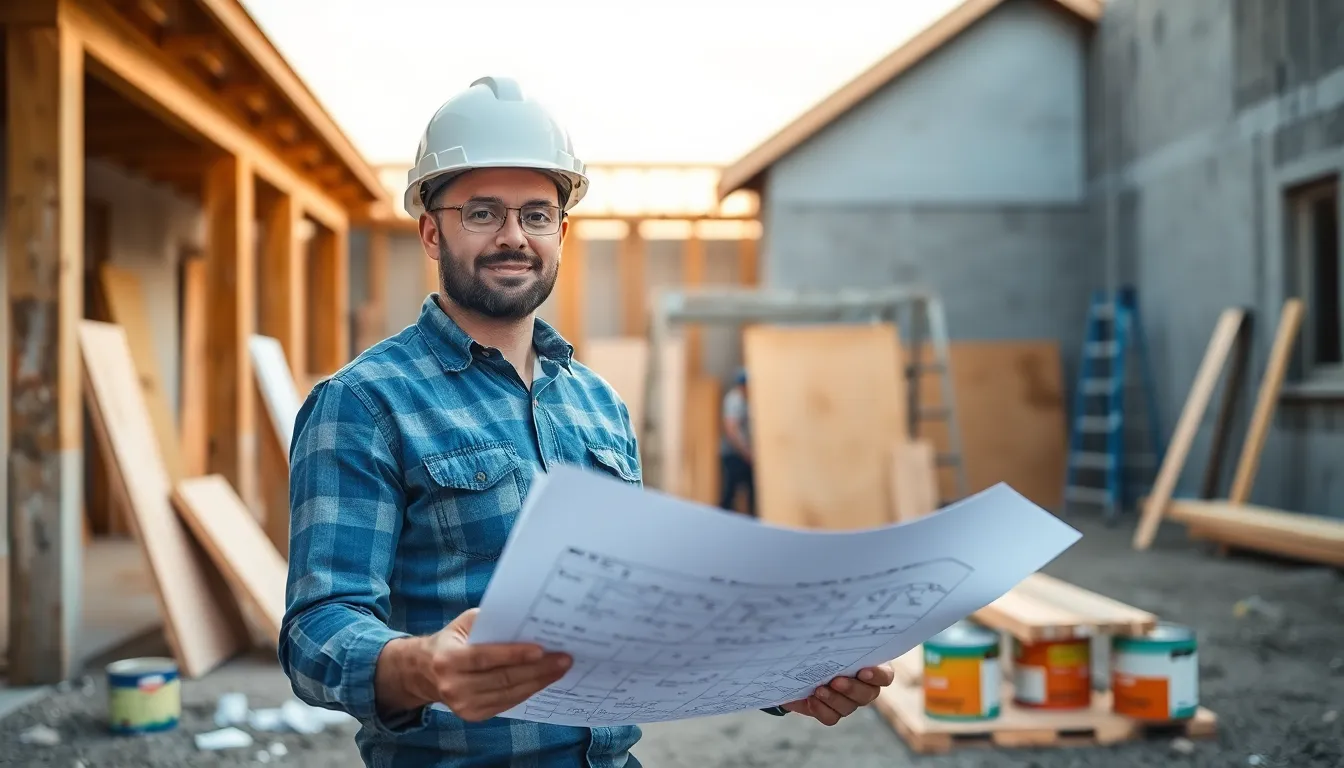
Planning a renovation requires careful consideration of various factors. A structured approach enhances the likelihood of achieving desired outcomes while staying within financial constraints.
Setting a Budget
Establishing a budget forms the foundation of any successful renovation. Identify all anticipated costs, including materials, labor, permits, and unexpected expenses. Allocate funds specifically for each aspect:
- Materials: Choose high-quality materials that balance cost and durability.
- Labor: Factor in costs for contractors or skilled laborers based on market rates.
- Permits: Research local regulations, as these can influence overall costs.
- Contingency: Reserve 10-20% of the budget for unforeseen issues that may arise during the renovation.
By adhering to a well-defined budget, property owners minimize financial surprises and maximize returns on their investment.
Timeline and Scheduling
Creating a timeline and schedule ensures the renovation proceeds smoothly. Outline each phase of the renovation, including design, procurement, execution, and inspection. Essential steps include:
- Design Phase: Finalize designs and plans within the first two weeks.
- Procurement Phase: Order materials and book labor within two to three weeks post-design approval.
- Execution Phase: Set clear start and end dates for each renovation task, allowing for efficient coordination among workers.
- Inspection Phase: Schedule inspections promptly to meet regulatory requirements and avoid costly delays.
Developing a realistic timeline ensures timely project completion, reducing tenant displacement and rental income loss.
Renovation Ideas to Attract Tenants
Effective renovations enhance a property’s appeal and attract quality tenants. Below are key renovation ideas that significantly improve rental value.
Kitchen Upgrades
Kitchen upgrades rank among the most effective improvements. Installing energy-efficient appliances boosts functionality and lowers utility costs. Choosing modern cabinetry and countertops elevates aesthetics. Adding an island creates extra workspace and enhances social interaction. Incorporating open-concept layouts fosters a spacious feel, while upgraded lighting fixtures improve ambiance.
Bathroom Improvements
Bathroom improvements greatly impact tenant satisfaction. Replacing old fixtures with modern, water-saving alternatives boosts efficiency. Updating vanities and retiling can create a fresh, clean look. Enhancing lighting with dimmable options adds versatility to the space. Installing additional storage solutions helps tenants keep their space organized.
Curb Appeal Enhancements
Curb appeal significantly influences first impressions. Fresh landscaping, including low-maintenance plants, increases visual attractiveness. Repainting the front door and exterior trim can modernize appearance. Updating outdoor lighting fixtures improves safety and ambiance. Repairing pavement or walkways ensures a welcoming entry.
Navigating Permits and Regulations
Navigating permits and regulations is essential for successful rental property renovation. Compliance with local laws prevents potential fines and project delays.
Understanding Local Laws
Understanding local laws governing rental property renovations is crucial for property owners. Laws differ by municipality and may cover zoning, building codes, and occupancy permits. Property owners must research specific regulations that apply to their projects. They can often find this information on local government websites or by consulting with a real estate attorney familiar with property management. Failure to adhere to these laws may result in penalties or forced removal of unapproved modifications.
Required Permits for Renovation
Required permits for renovation depend on the scope of the project. Common types of permits include:
- Building Permits: Required for structural changes, including additions and significant alterations.
- Electrical Permits: Needed for major electrical work, such as rewiring or installing new lighting fixtures.
- Plumbing Permits: Required for plumbing alterations, including replacing or installing new fixtures.
- Zoning Permits: Necessary when changes affect how a property can be used or when adding units.
Property owners should submit applications through local government offices, typically requiring detailed plans and specifications of the proposed work. Approval may take time, so starting the process early in the renovation timeline is essential. Checking for additional requirements, such as inspections during construction, ensures compliance with all regulations.
Hiring the Right Professionals
Hiring the right professionals ensures a successful rental property renovation. It involves selecting skilled contractors and experienced designers who can bring the renovation vision to life while adhering to budget and timelines.
Choosing Contractors
Contractors play a crucial role in implementing renovation plans effectively. Property owners should:
- Research local contractors specializing in rental property renovations. Focus on their experience and past projects.
- Request detailed quotes from multiple contractors. Compare costs, timelines, and services to find the best fit.
- Check references and reviews from previous clients. This helps verify the quality of their work and reliability.
- Ensure licenses and insurance are up-to-date. This protects both the property owner and the contractor during renovation processes.
- Interview potential contractors to discuss project specifics. Clarity during this phase prevents misunderstandings later on.
Working with Designers
Designers enhance the aesthetic and functional aspects of a renovation. Property owners should:
- Identify designers specializing in rental properties. Look for portfolios that showcase relevant work.
- Communicate renovation goals clearly. This ensures designers understand specific needs and tenant preferences.
- Set a realistic budget for design services. Outline what is essential versus nice-to-have items to avoid over-expenditure.
- Collaborate closely throughout the process. Frequent check-ins ensure the design aligns with the renovation timeline and budget.
Selecting the right professionals significantly impacts rental property renovation outcomes, leading to enhanced property appeal and profitability.
Rental property renovation is a powerful tool for property owners looking to enhance value and attract quality tenants. By understanding the renovation process and effectively planning budgets and timelines, owners can achieve remarkable results.
Upgrading kitchens and bathrooms while improving curb appeal not only boosts marketability but also increases rental rates and reduces vacancy periods. Navigating permits and hiring skilled professionals are essential steps in ensuring compliance and successful project execution.
Staying informed about the latest renovation trends and regulations can give property owners a competitive edge in the ever-evolving rental market. With careful planning and execution, renovations can lead to long-term profitability and tenant satisfaction.