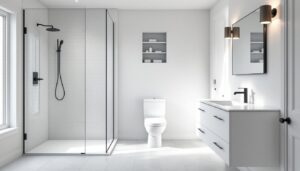
Bathroom tile isn’t just a waterproofing strategy, it’s the single biggest design decision you’ll make in a bathroom remodel. Get it right, and the space feels clean, spacious, and timeless. Get it wrong, and you’re stuck looking at outdated grout lines for the next decade. Modern tile design has shifted toward larger formats, bolder textures, and smarter layouts that do double duty: they protect your walls and floors while creating visual impact. Whether you’re tackling a full gut renovation or a weekend accent wall, understanding current trends and material options will save you from buyer’s remorse and wasted trips to the tile shop.
Table of Contents
ToggleWhy Modern Tile Design Matters for Your Bathroom
Tile selection affects three critical factors: durability, maintenance, and resale value. Bathrooms endure constant moisture, temperature swings, and cleaning chemicals, so tile choice isn’t purely aesthetic.
Durability comes first. Porcelain and glazed ceramic resist water absorption better than natural stone, which requires annual sealing. If you’re installing a shower surround yourself, you’ll want a material rated for wet areas, look for a water absorption rate below 0.5% (ANSI A137.1 standard for porcelain).
Maintenance varies widely. Large-format tiles mean fewer grout lines to scrub. Matte finishes hide water spots better than high-gloss, but textured surfaces can trap soap scum in the shower. If you’re not keen on weekly grout brushing, plan accordingly.
Resale value isn’t hypothetical. Bathrooms and kitchens drive purchase decisions, and dated tile screams “renovation required” to buyers. Neutral, modern palettes and quality installation add measurable value. A poorly executed trendy design (looking at you, floor-to-ceiling subway tile in 2015) can backfire. Stick with current trends that have staying power: natural tones, larger formats, and subtle texture.
Top Modern Bathroom Tile Trends for 2026
Large-Format Tiles and Seamless Aesthetics
Large-format tiles, typically 12″×24″ and up, dominate modern bathroom design. They reduce grout lines, simplify cleaning, and make small bathrooms feel bigger by minimizing visual interruption. Slabs as large as 48″×120″ are now available for shower surrounds, creating a nearly seamless look that mimics natural stone or concrete.
Installation requires a flat substrate. If your walls aren’t perfectly plumb or your floor has a slope issue (common in older homes), large tiles will telegraph every imperfection. You’ll need a quality leveling system and possibly a pro installer, large-format porcelain is heavy and unforgiving. Budget extra for thinset with good open time: working with 24″×48″ tiles solo is slow going.
Rectified edges (precision-cut, sharp corners) allow for tight grout joints, as narrow as 1/16″, which enhances the seamless effect. Use unsanded grout for joints under 1/8″: sanded grout can scratch polished tile.
Textured and 3D Tiles for Visual Interest
Textured tile adds depth without color overload. Wavy surfaces, linear grooves, and geometric reliefs catch light differently throughout the day, creating subtle movement. This works especially well on accent walls, behind a floating vanity or in a shower niche.
Three-dimensional tiles come in ceramic and porcelain, but also in natural materials like limestone and marble. The latter require sealing and aren’t ideal for high-splash zones unless you’re committed to maintenance.
Installation tip: textured tiles need extra thinset coverage to fill voids on the back. Use a 1/2″ square-notch trowel and back-butter each tile to avoid hollow spots that crack under pressure. A tile wet saw with a fresh diamond blade is essential: texture eats blades faster than flat tile. Modern design trends favor texture as a way to introduce warmth without busy patterns.
Choosing the Perfect Tile Material for Your Bathroom
Porcelain is the workhorse. It’s denser than ceramic, absorbs less water, and handles freeze-thaw cycles if you’re tiling an unheated bathroom (or outdoor shower). Through-body porcelain shows the same color if chipped, which hides wear. Expect to pay $4–$12 per square foot for quality porcelain: large-format and specialty finishes push that higher.
Ceramic costs less ($1–$7 per square foot) but isn’t rated for floors in high-traffic or wet areas. It works fine for walls and low-use powder rooms. Glazed ceramic is easier to clean than unglazed, which is porous.
Natural stone, marble, travertine, slate, delivers authentic texture and variation. No two pieces match, which some homeowners love and others hate. Stone requires annual sealing, and acidic cleaners (like vinegar-based solutions) will etch marble. If you want the look without the maintenance, consider porcelain that mimics stone. Modern printing technology makes it hard to tell the difference from three feet away.
Glass tile works for accents and backsplashes but isn’t great for floors (slippery when wet) or shower floors (grout joints are still required, and glass doesn’t provide traction). It reflects light beautifully in small doses.
Safety note: Any tile installed on a bathroom floor should have a wet slip resistance rating of 0.60 DCOF (Dynamic Coefficient of Friction) or higher per ANSI A326.3. Check the spec sheet before you buy. Polished marble and high-gloss porcelain often fail this test.
Modern Color Palettes and Patterns That Work
Neutral and earthy tones continue to lead. Warm grays, beiges, taupes, and soft whites create a spa-like calm that doesn’t fatigue. These shades pair well with natural wood vanities and matte black or brushed brass fixtures, both popular in 2026.
Monochrome schemes, floor, walls, and accents in varying shades of the same color, simplify the design and visually expand space. A small bathroom benefits from this approach more than a patchwork of contrasting colors.
Bold accent walls in deep greens, navy, terracotta, or charcoal add personality without overwhelming. Limit bold color to one wall or a shower niche. The rest of the room should stay neutral to avoid a dated look in five years.
Patterns are trending toward subtle geometry and organic shapes. Terrazzo-look porcelain, delicate veining that mimics marble, and hexagonal mosaics all fit the modern aesthetic. Avoid busy, high-contrast patterns unless you’re designing a powder room, they’re tough to live with daily.
Grout color matters more than most DIYers realize. Light grout on light tile creates a seamless look: contrasting grout (dark lines on white tile) emphasizes the grid and can feel busy. Matching grout to tile or going one shade darker is the safest modern choice. Epoxy grout resists staining better than cementitious grout and is worth the extra cost in showers. Homeowners exploring broader bathroom design strategies often start with tile as the anchor for the entire palette.
Layout Ideas to Maximize Style and Space
Vertical layouts draw the eye up and make low ceilings feel taller. Running 12″×24″ tiles vertically (stacked or staggered) on a shower wall creates height. This works especially well with narrow tiles or planks.
Horizontal layouts elongate narrow bathrooms. Laying the same 12″×24″ tile horizontally can make a tight 5’×8′ bathroom feel wider. Use a 1/3 offset (also called a brick or running bond pattern) for a modern, less formal look than a straight stack.
Diagonal layouts add visual interest and can disguise out-of-square walls, but they generate more waste, plan for 15–20% overage instead of the standard 10%. Diagonal cuts at every edge mean more time at the wet saw and more offcuts.
Mixed materials and sizes create zones without walls. A hexagonal mosaic on the shower floor paired with large-format walls defines the wet area. Transitioning from 24″×24″ floor tile in the main bathroom to smaller mosaics in the shower pan is both functional (smaller tiles provide better traction) and stylish. Popular tile layout strategies often combine formats to define distinct areas within a single room.
Accent strips and borders work if kept minimal. A single line of mosaic tile at eye level or a contrasting border at the ceiling line can break up expanses of solid color. Don’t overdo it, multiple borders and busy transitions feel dated fast.
Floor-to-ceiling tile in showers is standard now, not a luxury upgrade. It fully waterproofs the space and eliminates the paint-meets-tile transition that always seems to peel. If budget is tight, tile the wet wall fully and stop at 48″–60″ on non-splash walls. Design inspiration from platforms like Homedit showcases how consistent tiling elevates modern bathroom aesthetics.
Prep matters more than pattern. Before you commit to any layout, check walls with a 4′ level and floors with a straight edge. Out-of-plumb walls will throw off your tile lines and waste material. If drywall is damaged or your subfloor is spongy, fix it first. Tile won’t hide structural issues, it’ll highlight them.
PPE reminder: Wear safety glasses when cutting tile (flying chips are sharp), a dust mask when mixing thinset or grout, and knee pads if you’re doing floor work. A wet saw reduces dust but still throws slurry, work outside or in a garage if possible, and keep a hose or buckets handy for cleanup.