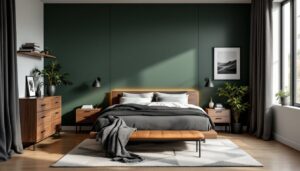
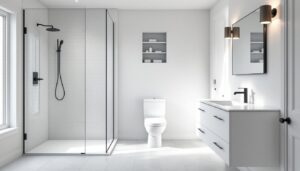
Tiny house living isn’t about sacrificing quality for square footage, it’s about intentional design that makes every inch work. Modern tiny house design combines clean-lined aesthetics with engineering-smart layouts, creating homes that feel open, functional, and comfortable even though their compact footprint. Whether someone’s planning a full-time downsize, a backyard ADU (accessory dwelling unit), or a weekend retreat, today’s tiny homes blend minimalist style with clever storage, multi-use furniture, and strategic spatial planning. This guide breaks down the core principles, layout strategies, design elements, and storage solutions that define modern tiny house design in 2026.
Table of Contents
ToggleKey Takeaways
- Modern tiny house design combines clean-lined aesthetics with intentional layouts that maximize every inch, making compact homes feel open and functional rather than cramped.
- Open-concept floor plans, vertical space utilization, and multi-functional furniture are core strategies that allow 400 square feet to feel like 600.
- Contemporary design elements—including natural wood ceilings, white walls, black metal accents, and minimalist cabinetry—deliver visual impact while maintaining the uncluttered feel that defines modern tiny houses.
- Built-in storage solutions like toe-kick drawers, hidden staircase compartments, and custom-fitted cabinetry are essential, as they prevent minimalist living from turning into chaos.
- Sustainability is integral to modern tiny house design, with features like SIPs insulation, low-VOC finishes, energy-efficient appliances, and solar panels reducing environmental impact.
- Success in tiny house living depends equally on disciplined design choices and personal decluttering habits—commit to owning less and making every item earn its place.
What Makes a Tiny House Design Truly Modern?
Modern tiny house design leans on simplicity, function, and honest materials rather than fussy details or decorative clutter. The aesthetic borrows from mid-century modernism and Scandinavian minimalism: neutral palettes, natural wood, metal accents, and plenty of glass to blur indoor-outdoor boundaries.
Key characteristics include:
- Clean horizontal lines and flat or low-pitch rooflines (often a single-slope shed roof or a shallow gable)
- Large windows and glazed doors to maximize natural light and make small interiors feel expansive
- Exposed structural elements like steel beams, plywood sheathing, or engineered lumber used as finish materials
- Minimalist color schemes: whites, grays, blacks, and warm wood tones dominate, with occasional pops of muted color
- Smart technology integration: LED strip lighting, compact HVAC systems, and app-controlled thermostats or shades
Modern doesn’t mean cold. Many designers pair industrial materials (corrugated metal siding, concrete floors) with warm wood ceilings or butcher-block counters to keep spaces inviting. The goal is intentional restraint, every material and detail should have a reason to be there.
It’s also worth noting that modern tiny houses often prioritize sustainability. Builders frequently use SIPs (structural insulated panels) for superior insulation in a thinner wall profile, low-VOC finishes, and energy-efficient appliances. Some designs incorporate solar panels or composting toilets, especially for off-grid builds.
Essential Layout Strategies for Modern Tiny Homes
Layout is everything in a tiny house. Poor planning creates bottlenecks, wasted space, and a cramped feel. Good planning makes 400 square feet live like 600.
Open-Concept Floor Plans That Feel Spacious
Open-concept layouts are the backbone of modern tiny house design. Eliminating interior walls between the kitchen, living, and dining zones creates sightlines that make the home feel larger and allows natural light to reach deeper into the space.
Typical moves include:
- Galley or L-shaped kitchens positioned along one wall, with a peninsula or small island that doubles as a dining counter
- Living areas with built-in seating (bench-style sofas with storage underneath) to avoid bulky furniture
- No hallways: every square foot should serve a function, so circulation space is designed into the room itself
Many modern tiny homes use a raised platform to define zones without walls, think a two-step-up sleeping loft or a slightly elevated lounge area with storage drawers built into the risers. This maintains the open feel while creating subtle separation.
Window placement matters. Floor-to-ceiling glass on one or both ends of the home pulls the eye outward and connects interior space to a deck, patio, or landscape beyond. Clerestory windows near the roofline add light without sacrificing wall space for cabinetry.
Multi-Functional Zones and Vertical Space Utilization
In a tiny house, every piece of furniture and every surface should pull double (or triple) duty. Designers approach design house decor with flexibility in mind, choosing pieces that adapt to different needs throughout the day.
Examples of multi-functional design:
- Murphy beds or fold-down desks that tuck into wall cabinets when not in use
- Dining tables with drop leaves or extendable tops that seat two for breakfast and six for dinner
- Storage ottomans and benches that hold seasonal gear, linens, or tools
- Convertible sofas that function as seating by day and guest beds by night
Vertical space is the unsung hero. Modern tiny homes build upward with:
- Floor-to-ceiling cabinetry in kitchens and bathrooms (upper cabinets that go all the way to the ceiling, no wasted gap)
- Loft sleeping areas accessed by ladder, staircase with built-in drawers, or even a library-style sliding ladder
- Wall-mounted shelving and pegboard systems for books, plants, kitchen tools, or bike storage
- Overhead storage racks in garages or entry zones for bulky items like luggage or sports equipment
One often-overlooked opportunity: the space beneath stairs. In a tiny house with a sleeping loft, that staircase can house a closet, pantry, or even a compact washer-dryer combo.
Contemporary Design Elements That Define Modern Tiny Houses
Modern tiny house interiors rely on a few signature materials and finishes that deliver visual impact without visual clutter.
Natural wood ceilings and accent walls: Tongue-and-groove pine, cedar, or birch plywood panels add warmth and texture. They’re also practical, plywood sheathing can serve as both structure and finish, cutting down on material costs and labor.
White or light-toned wall surfaces: Painted drywall, shiplap, or smooth plywood keeps the space bright. White walls reflect light and make small rooms feel airy. Matte finishes are preferred, they hide imperfections better than gloss and feel less sterile.
Black or matte metal accents: Window frames, door hardware, light fixtures, and cabinet pulls in black steel or powder-coated aluminum provide contrast and a contemporary edge. These details are small but they define the modern aesthetic.
Concrete or luxury vinyl plank (LVP) flooring: Polished concrete is durable and pairs well with radiant floor heating, but it’s heavy, important if the tiny house is on a trailer and subject to towing weight limits. LVP offers a wood-look alternative with better insulation and easier installation. It’s also more forgiving underfoot than tile or concrete.
Minimalist cabinetry: Flat-panel (slab) cabinet doors with integrated pulls or push-to-open hardware keep lines clean. Designers often mix open shelving with closed storage to avoid a heavy, boxy look. According to features on modern living showcases, handleless cabinetry and floating vanities are trending in 2026 for their sleek, uncluttered appearance.
Large-format tiles in wet areas: Subway tile is classic, but modern tiny homes increasingly use large-format porcelain tiles (12″×24″ or bigger) in showers and behind sinks. Fewer grout lines mean easier cleaning and a more seamless look.
Lighting is critical. Recessed LED downlights keep ceilings clean, while pendant lights over islands or dining nooks add personality. Under-cabinet LED strips illuminate counters without taking up space. Dimmer switches let occupants adjust ambiance and energy use.
Smart Storage Solutions for Minimalist Living
Storage makes or breaks tiny house living. Without it, minimalism turns into chaos. Modern designs hide storage in plain sight and make the most of awkward corners and vertical real estate.
Built-in furniture: Custom-built benches, window seats, and bed platforms with lift-up tops or pull-out drawers maximize every inch. Off-the-shelf furniture wastes space with gaps and unused voids: built-ins are tailored to exact dimensions.
Toe-kick drawers: The 4-inch void beneath base cabinets (the toe kick) can be converted into shallow pull-out drawers for flat items like baking sheets, cutting boards, or cleaning supplies. It’s a small gain, but in a tiny house, small gains add up.
Hidden compartments in stairs: Each tread can conceal a drawer or lift-up storage box. A typical loft staircase with eight steps can provide 15–20 cubic feet of storage, enough for shoes, linens, or pantry overflow.
Wall-mounted fold-down tables and desks: When not in use, these surfaces fold flat against the wall, freeing up floor space. Some models include built-in shelving or chalkboard surfaces on the underside.
Overhead cabinets and hanging racks: In the kitchen, ceiling-mounted pot racks or magnetic knife strips keep tools accessible without occupying counter or drawer space. In the bedroom loft, shallow shelves along the perimeter hold books, alarm clocks, and personal items.
Modular closet systems: Adjustable shelving, hanging rods, and pull-out baskets let residents configure storage to fit their wardrobe. Many small space living guides recommend vertical closet organizers that use the full height of the space rather than standard single-rod setups.
Exterior storage: Don’t forget the outside. Modern tiny homes often include a small shed, deck box, or enclosed trailer tongue box for tools, outdoor gear, or seasonal items. If the house is on a trailer, some builders add lockable compartments in the frame itself.
Decluttering discipline: Storage solutions only work if residents commit to owning less. A good rule of thumb: for every new item brought in, one old item goes out. It’s not a design feature, but it’s the most important habit for tiny house success.
Conclusion
Modern tiny house design proves that small spaces can be stylish, functional, and comfortable when planned with intention. Open layouts, multi-functional furniture, smart storage, and clean contemporary finishes transform tight square footage into homes that live larger than their blueprints suggest. By borrowing strategies from contemporary design showcases and applying practical building principles, anyone can create a tiny house that feels anything but cramped. The key is making every design choice count, and being willing to let go of what doesn’t serve the space.